


Porcelain vs Ceramic Tiles
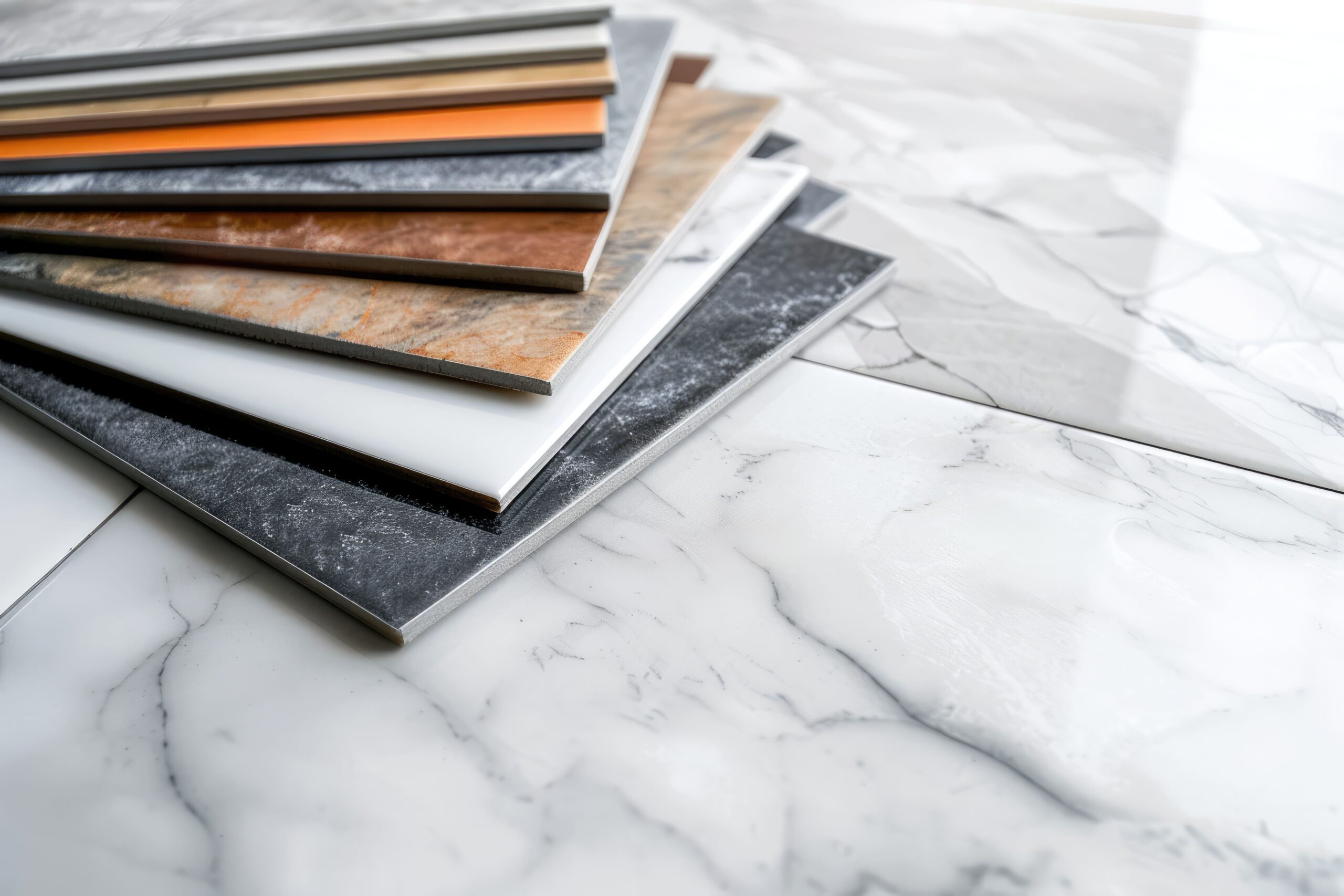
Installing the wrong tile in your bathroom can lead to costly repairs, water damage, or a floor that chips and cracks long before its time. Porcelain and ceramic tiles may look alike, but their differences in durability, water resistance, and installation make all the difference in how your bathroom performs over the years.
Understanding these distinctions now can save you time, money, and costly mistakes, and the experts at Bathroom Remodel Jacksonville are here to guide you toward the perfect tile for your remodel.
What is Ceramic Tile?
Ceramic tile is made from a clay mixture, sand, and water that is shaped and fired at high temperatures, transforming the raw materials into a strong and versatile product commonly used for interior walls, floors, and decorative surfaces.
These pieces are typically glazed to add color and protect the surface, improving slip resistance and making them a practical and attractive option for many indoor spaces.
Advantages of Ceramic Tile
- Affordable compared to porcelain tiles.
- Available in a wide range of tile shapes, colors, and sizes.
- Easier to cut and install, suitable for DIY projects.
Disadvantages of Ceramic Tile
Ceramic tile can wear more quickly in high-traffic areas, requiring occasional tile repair or replacement. It also needs proper sealing in wet environments to prevent stains and water damage over time.
- Less dense, so it is more prone to chipping or cracking.
- Some tiles are more porous and absorb water if not properly sealed, making them less ideal for high-moisture areas.
Best Uses for Ceramic Tile
Ceramic tiles are versatile, durable, and practical, making them a great choice for a variety of indoor applications. They perform best in areas with light to moderate traffic and where water exposure can be managed, providing a balance of style and functionality.
They work well on interior walls, backsplashes, floors with light to moderate use, and bathrooms when properly sealed, offering homeowners a reliable and attractive option for many spaces.
What is Porcelain Tile?
Porcelain tile is made from refined stoneware clay that is fired at very high temperatures, creating a dense and strong material. Because of this manufacturing process, porcelain tiles are harder and more compact than many other types.
They are commonly used in both residential and commercial spaces due to their durability and sleek appearance. This tile is perfect for outdoor applications as well as indoor use and can mimic natural materials such as stone, marble, or wood.
Advantages of Porcelain Tile
- Extremely durable, perfect for high-traffic or high-impact environments. Porcelain resists wear and chipping, making it ideal for busy bathrooms and kitchens.
- Highly water-resistant, ideal for showers and bathroom floors (low water absorption).
- Available in many finishes and can mimic natural stone or wood, contributing to home improvement.
Disadvantages of Porcelain Tile
- More expensive than ceramic.
- Harder to cut and install, often needing expert installers.
- Needs specialized adhesives due to low porosity.
Best Uses for Porcelain Tile
Porcelain tiles are highly durable, moisture-resistant, and built to last, making them a top choice for homeowners looking for both style and long-term performance in their spaces.
They work well on bathroom floors, showers, kitchen floors, and backsplashes, outdoor patios, and high-traffic areas, offering lasting beauty and functionality in both indoor and outdoor applications.
Key Differences Between Porcelain and Ceramic Tiles
Porcelain and ceramic are distinguished by their composition and production. Porcelain uses finer clay and is heated at very high temperatures, resulting in a solid, robust surface. Ceramic is lighter and easier to handle for interior applications.
These distinctions affect installation and performance. Porcelain often needs professional handling, whereas ceramic can be managed more easily by homeowners. Understanding these differences helps ensure a functional and long-lasting bathroom remodel.
Which Tile is Best for Your Bathroom?
Choosing the right material depends on your design, budget, and renovation goals. Some homeowners prefer a cost-friendly option that offers design flexibility, while others focus on materials that support long-term performance and easy maintenance.
Both ceramic and porcelain can create a stylish and functional bathroom when selected carefully. Working with professionals like Bathroom Remodel Jacksonville ensures the right choice is installed properly for a polished final result.
Turn Your Bathroom Vision into Reality with Bathroom Remodel Jacksonville
Selecting the perfect tile is essential for creating a bathroom that is both beautiful and functional. Both ceramic and porcelain offer style, durability, and long-lasting performance when installed properly.
For Jacksonville homeowners, working with the professionals at Bathroom Remodel Jacksonville ensures proper tile installation and a polished remodel. Schedule a consultation or contact us to invest in quality materials and professional installation that will keep your bathroom looking its best for years to come.