


Is a Bathroom Remodel Tax Deductible?
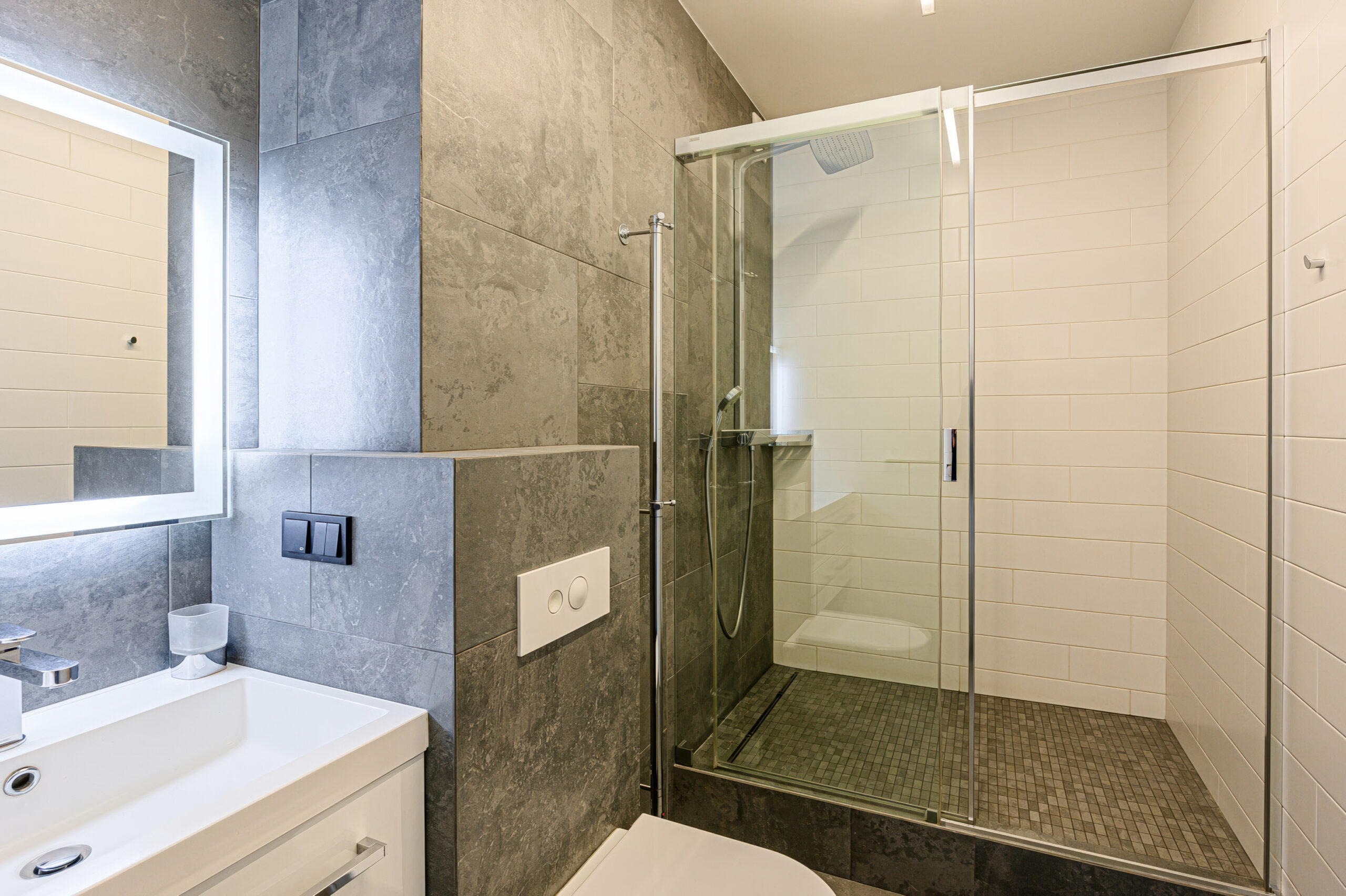
For many homeowners, upgrading a bathroom is an exciting way to improve comfort, style, and the overall value of their home. But when it comes to finances, one common question often arises: Is a bathroom remodel tax-deductible?
The short answer for most primary residences is no. Bathroom renovations are generally considered capital improvements, which can increase your home’s value but don’t qualify for immediate tax deductions.
At Bathroom Remodel Jacksonville, we understand that remodeling is a major investment. While standard remodels usually aren’t deductible, certain situations, such as medical-related modifications or updates on investment properties, might offer tax benefits. Knowing when these exceptions apply can help you plan smarter and get the most out of your project.
When Might the Costs of a Bathroom Remodel Be Deductible?
Medical Necessity
Bathroom modifications made for medical reasons can qualify as deductible medical expenses. This includes ADA-compliant improvements such as installing grab bars, widening doorways for wheelchair access, lowering sinks, or modifying showers for accessibility.
To qualify, the improvements must be medically necessary for the resident’s condition — not just for comfort or aesthetics — and should not significantly increase the home’s overall value. These qualified expenses can often be deducted under IRS rules as part of the medical expense deduction.
Energy-Efficient Upgrades
If your bathroom remodel includes energy-efficient improvements, you may qualify for federal energy tax credits. Eligible upgrades include energy-efficient windows, efficient water heaters, solar panels, and energy-related improvements that reduce utility costs.
While these deductions on improvements typically apply to specific products, they can also increase your cost basis for capital improvements, helping reduce potential capital gains taxes if you sell your home later.
Rental Property
Bathroom renovations in a rental property may qualify as capital improvements rather than personal expenses. These upgrades add long-term value and can be depreciated over time under Schedule E of your tax return.
Common rental property improvements that qualify include plumbing replacements, flooring upgrades, and other structural improvements that extend the property’s useful life. Since you can’t deduct the entire cost in the year of renovation, the renovation costs are added to the property’s cost basis and depreciated over time to offset rental income.
Home Office
If part of your home functions as a dedicated office, and the bathroom remodel directly benefits that workspace, you may be able to deduct a portion of the improvement costs.
For example, if you remodel a bathroom used exclusively by clients or employees, that portion of the office improvement may be deductible as a business expense. However, only the business-use percentage of your home qualifies — personal portions remain non-deductible.
Can Home Equity Loan Interest Make a Bathroom Remodel Tax-Deductible?
Yes — home equity loan interest can make a bathroom remodel tax-deductible, but only if the funds are used to “buy, build, or substantially improve” the same home that secures the loan.
Under current IRS rules, this means your remodel must add real, long-term value or extend the property’s useful life, qualifying it as a capital improvement rather than a personal upgrade. Cosmetic projects, such as painting or minor fixture upgrades, generally don’t qualify.
IRS Rules and Documentation Requirements
To claim this deduction, homeowners must be able to prove that the loan proceeds were spent directly on eligible home improvement costs. Keep detailed records, including contracts, receipts, and invoices, to document how the loan was used. The IRS may disallow deductions if the borrowed funds are mixed with personal expenses or unrelated renovation projects.
Limits and Tax Strategy Considerations
Even when your remodel qualifies, the total amount of deductible interest depends on the size of your mortgage and home equity loan. Generally, the combined total of all home-secured loans must not exceed $750,000 for married couples filing jointly (or $375,000 for single filers).
Because these rules can be complex, it’s wise to consult a tax professional before filing. They can help ensure that your renovation costs, loan interest, and capital improvements are properly categorized to maximize your deduction and avoid IRS compliance issues.
How Can a Bathroom Remodel Affect Taxes When You Sell Your Home?
Bathroom remodels can increase your home’s cost basis, potentially lowering the capital gains tax owed when you sell. Significant structural improvements, such as modern plumbing, new flooring, or updated fixtures, can all contribute to your home’s overall value.
Some energy-efficient upgrades, like installing energy-efficient windows or LED lighting, can further boost resale appeal and may even qualify for specific energy-related improvement credits.
What Steps Can Help Maximize Tax Benefits From a Bathroom Remodel?
Besides focusing on the improvements on energy efficiency, or medical necessity, take practical steps like having detailed records, tracking home equity loan interest, and separating medical-related expenses from general improvements.
A systematic approach to tax planning simplifies interactions with the IRS or tax professionals and reduces the risk of errors. Organizing receipts, invoices, and permits makes it easy to identify deductible or depreciable expenses.
Why Is It Important To Keep Detailed Records of Renovation Costs?
Keeping detailed records, including receipts and invoices, supports deductions for medical expenses, rental property improvements, or home equity loan interest.
Records also help establish your home’s cost basis for future sales, which can reduce capital gains taxes. Categorizing documentation by materials, labor, and permits ensures clarity and ease when preparing taxes.
Should You Consult a Tax Professional Regarding Home Improvement Tax Rules?
Consulting a tax professional is highly recommended. Home improvement tax rules can be complex, especially for medical expenses, rental properties, or energy-efficient improvements.
A professional can help you identify qualified expenses, navigate depreciation for structural improvements, and avoid costly mistakes. Their expertise ensures you stay compliant with IRS regulations and maximize tax savings from any eligible deductions on improvements.
Plan Your Bathroom Remodel with Bathroom Remodel Jacksonville
A bathroom remodel can transform your home, but understanding the tax implications ensures you get the most financial benefit. At Bathroom Remodel Jacksonville, we help homeowners plan and execute bathroom renovations that not only enhance style and comfort but also consider potential tax credits and other savings when applicable.
Ready to upgrade your bathroom with confidence? Contact Bathroom Remodel Jacksonville today to schedule a consultation and discover how we can make your dream bathroom a reality while keeping your budget in mind.